The Films of 2008: Part Three

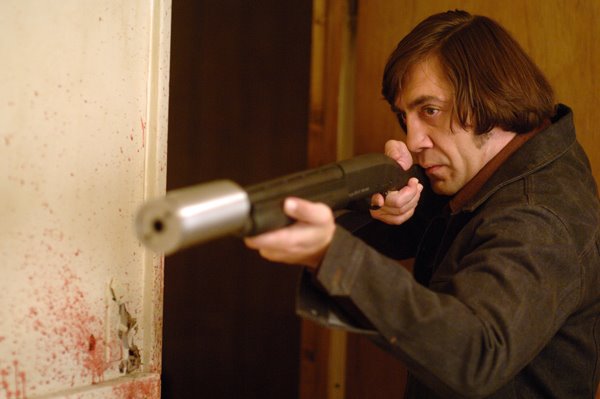
4. No Country for Old Men (Joel & Ethan Coen)

A meditation on the fickle nature of fate? A parable-like story of good versus evil? A lesson in how not to wear one’s hair? All this and more in this, a superb return to form for the brothers Coen, intermingling their well-known trademarks (black humour, a host of oddball characters) with the Cormac McCarthy source story to create a hugely entertaining romper of a thriller, but with enough brains to placate the arthouse set. Props also to both DP Roger Deakins and composer Carter Burwell for their remarkable yet easy-to-overlook contributions to the feel of the film.

3. 4 Months, 3 Weeks and 2 Days (Cristian Mungiu)

The Palme D’or winner at last year’s Cannes, 4 Months… is a grim polemic showing what the criminalization of abortion can lead people to do out of necessity. Sparely shot, though uncompromisingly graphic when it needs to be, director Mungiu demonstrates a remarkable control over both narrative flow and audience tension, whilst the two female leads give superb, and very different performances: in particular, the fearful resolve of Anamaria Marinca to get through their ordeal. Filmmaking at its most powerful.
The Films of 2008: Part Two

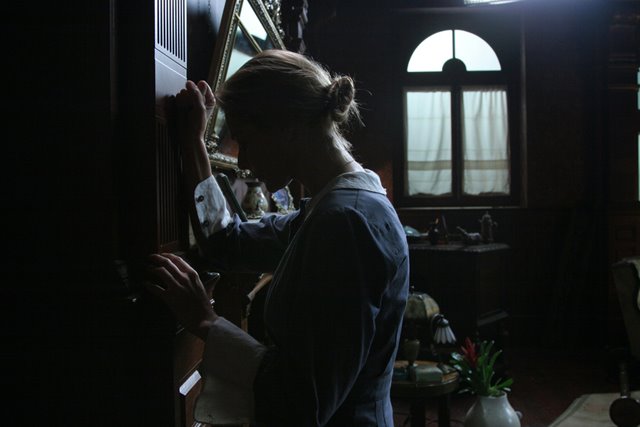
7. El Orfanato (Juan Antonio Bayona)

Whilst borrowing from horror both classic (The Innocents) and more recent (The Others, producer Guillermo Del Toro’s The Devil’s Backbone), Bayona’s debut film is a worthy addition to cinema’s haunted house canon: visually and sonically striking, economically constructed, and with a superb central performance from Belen Rueda as a woman reconciling herself with grief both past and present. Haunting, unsettling and deeply moving, one of the best chillers of recent years.

6. Waltz with Bashir (Ari Folman)

Animated documentary, a bold aesthetic choice of form, examining Israeli filmmaker Folman’s (and his country’s as a whole) amnesia of his role in the events which led to the Sabra and Shatila massacre in Lebanon in 1982. Superb in its balancing off of realism and its more fantastical flights of fancy, it stands as a distinctive, thoroughly engaging and thought-provoking piece of work, and one which will surely considerably influence the documentary form for many years to come.

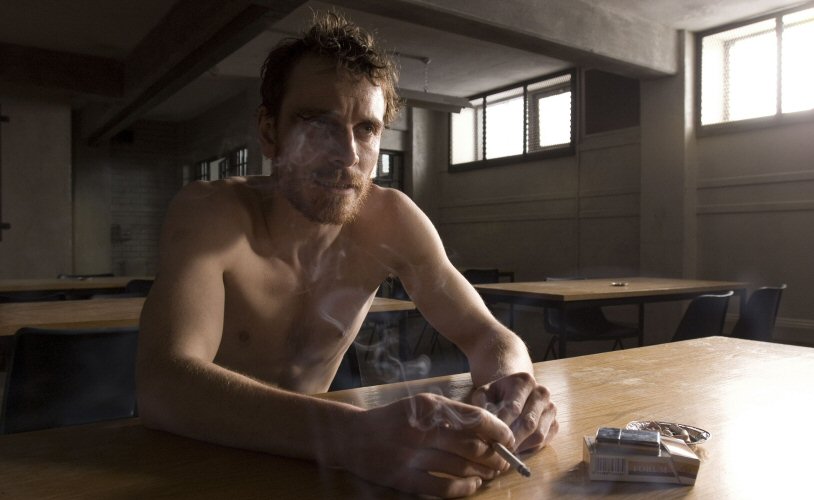
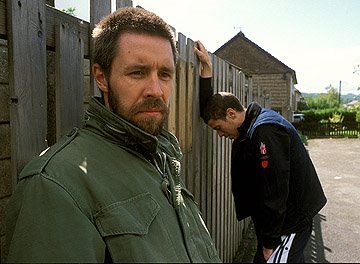
5. Hunger (Steve McQueen)

Truly remarkable debut feature from British visual artist McQueen, centring on the events in the Maze Prison in Northern Ireland in the early 1980s which notoriously led up to the death of IRA member Bobby Sands, yet with clear reference to the current political climate. Demonstrating both a distinctive visual style and an impressive filmmaking range, the film clearly points to greatness in the future for the director. On balance, I was overly critical in my initial assessment of the film: for its trivial faults (personal gripes on my part) it is undoubtedly the best British film of the year – visceral, uncompromising, daring, and considering its subject matter, surprisingly politically unbiased.

The Films of 2008: Part One

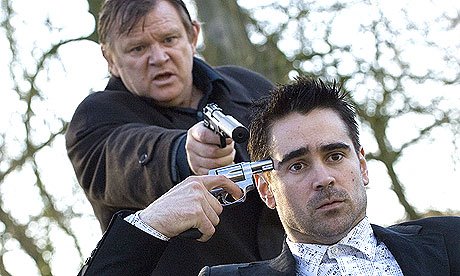
10. In Bruges (Martin McDonagh)

Colin Farrell is one of those actors who seems effortlessly to be able to convince you that he is truly dire and that he should not be allowed anywhere near a film set, let alone in front of the cameras. But there are times when he can be simply brilliant, and In Bruges is such an occasion. With a foul-mouthed script that fizzes along beautifully, coupled with yet another superb Brendan Gleeson performance, In Bruges is above all great fun, and hopefully marks out stage veteran Martin McDonagh as a new cinema director to watch.

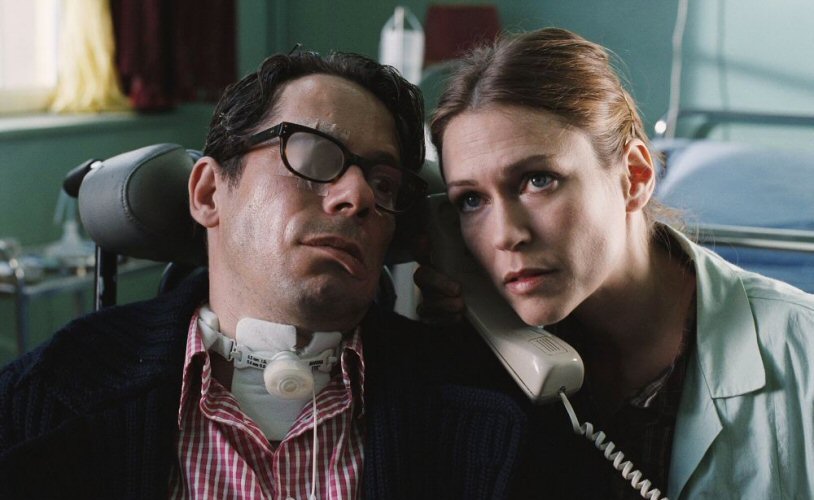
9. The Diving Bell and the Butterfly (Julian Schnabel)

One of the most remarkable and touching books ever written is brought to the screen admirably by visual artist Schnabel, with no small thanks to the visual inventiveness of cinematographer extraordinaire Janusz Kaminski. The true story of Jean-Do Bauby, almost completely paralysed after a massive stroke, transcends its inherent tragedy and becomes both a story of individual self-reassessment, and a lesson to us all to be carefully examine how we all live our own lives.

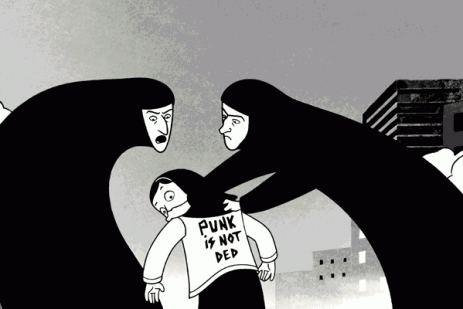
8. Persepolis (Vincent Paronnaud, Marjane Satrapi)

Critics may point to its simplifications of a complex subject, but this misses the point: this is not a history of the Iranian Revolution, but an examination of one young girl’s experience of it, wrapped up in the narrative of a sometimes conventional coming-of-age bildungsroman. Satrapi, the author of the graphic novels on which the film is based, translates the aesthetic of the source material to create a perfectly cinematic expressionistic style of animation, and the story balances themes specific and the universal beautifully to create a very personal document of growing up, but one that we can all relate to on some level.

Quality vs quanitity: the age-old cinema debate

Interesting piece in today’s Indy about the so-called ‘competition‘ between the two big French films currently on release, Entre Les Murs and Faubourg 36. Of course there is an element of media exaggeration at stake here, a kind of Stones vs Beatles fabricated rivalry between two sets of filmmakers, distributors, cinema-goers etc etc…

But there is a grain of truth amidst the hype, and in many ways the divergent ethoses of the two films represent a debate which is as old as cinema itself. Take, for example, the case of established classic of French cinema, Les Enfants Du Paradis (1945), an epic love story set around the Paris theatre world of the 1830s. As undeniably great a spectacle and production that film was, it would later come under criticism from the Cahiers du Cinema crowd as the antithesis of what they considered to be the more auteurist visions of the likes of Robert Bresson, Jean Cocteau and most significantly Jean Renoir.

Why does this matter? After all, should films not be allowed to be escapist entertainment? Renoir makes an interesting case in point. His famous World War I film La Grande Illusion (1937) stands as a perfect example of what filmmaking can express; made on the eve of the Second World War, it was a reminder for Europe not to forget her history, nor her humanity, in the near inevitable build-up to continental war again. Post-war, the most significant cinematic movement was Neorealism, which at least partially grew out of the resentment against the prevailing ‘white telephone’ genre’s inability to represent the suffering of ordinary Italians.

Cinema, like all art, is not isolated from reality, but a distorted reflection of it; the times we live in are seeing unprecedented upheavals of orthodoxies and identities, and it is the very least that film can do to stimulate and challenge our views and thoughts on such matters. I’m off to see Entre Les Murs….